Quality costs
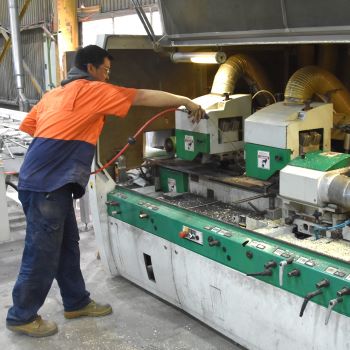
Everything comes at a cost. It takes time, effort and expense to maintain high standards in the products that a company produces and the services it provides.
On the other hand, low standards and a lack of care can also turn out to be expensive, and in some cases way more than the company can afford.
Set out below are examples of costs relating to maintaining high quality standards, and conversely, the costs associated with poor quality products and services.
Costs relating to high quality
There are two main types of costs incurred by a company when places a strong emphasis on maintaining high quality standards.
Prevention costs relate to the measures a company puts in place to prevent quality problems from occurring in the first place. They include:
-
developing product specifications
-
writing up product care procedures
-
training employees
-
designing quality control documents.
Evaluation costs relate to the inspection and measurement of products during their manufacture or sale. These costs include:
-
checking the quality of incoming materials
-
checking the quality of products at each stage of their processing
-
maintaining test equipment
-
collecting data and writing reports.
Costs relating to poor quality
The cost of poor quality can also be divided into two categories – depending on whether the products have been rejected before or after they have been offered for sale.
Internal rejects are products or materials that are rejected during the production process, before they leave the company's site. The costs relate to:
-
products that are scrapped and sent to waste
-
products that are downgraded, or docked back to make an acceptable grade
-
work that has to be redone.
End-use rejects are products or materials rejected by the customer after they have been delivered to site, or put into use. These costs can be very high and unpredictable, and include:
-
credit claims
-
call-backs to installation jobs
-
loss of future orders
-
damage to reputation
-
in serious cases, litigation.